
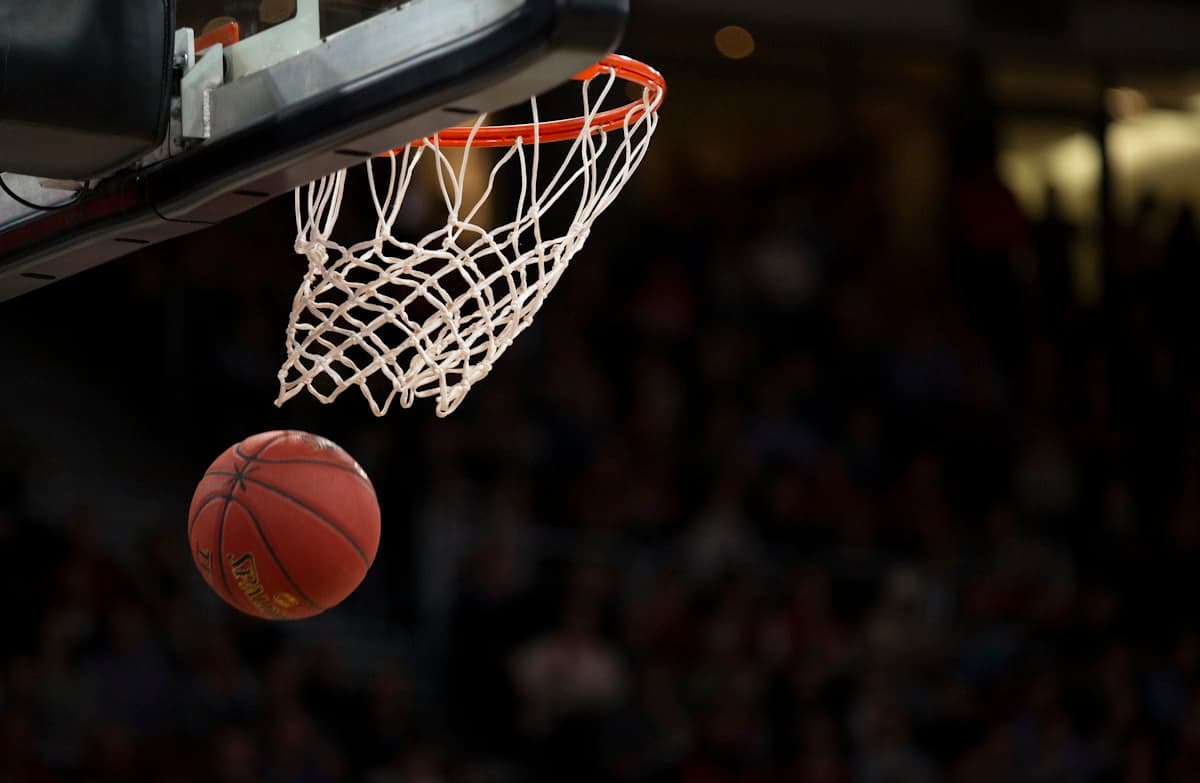
Basketball
Fast, tactical and relentless. Basketball builds reflexes, decision-making under pressure, and the ability to trust your teammates when it matters most.
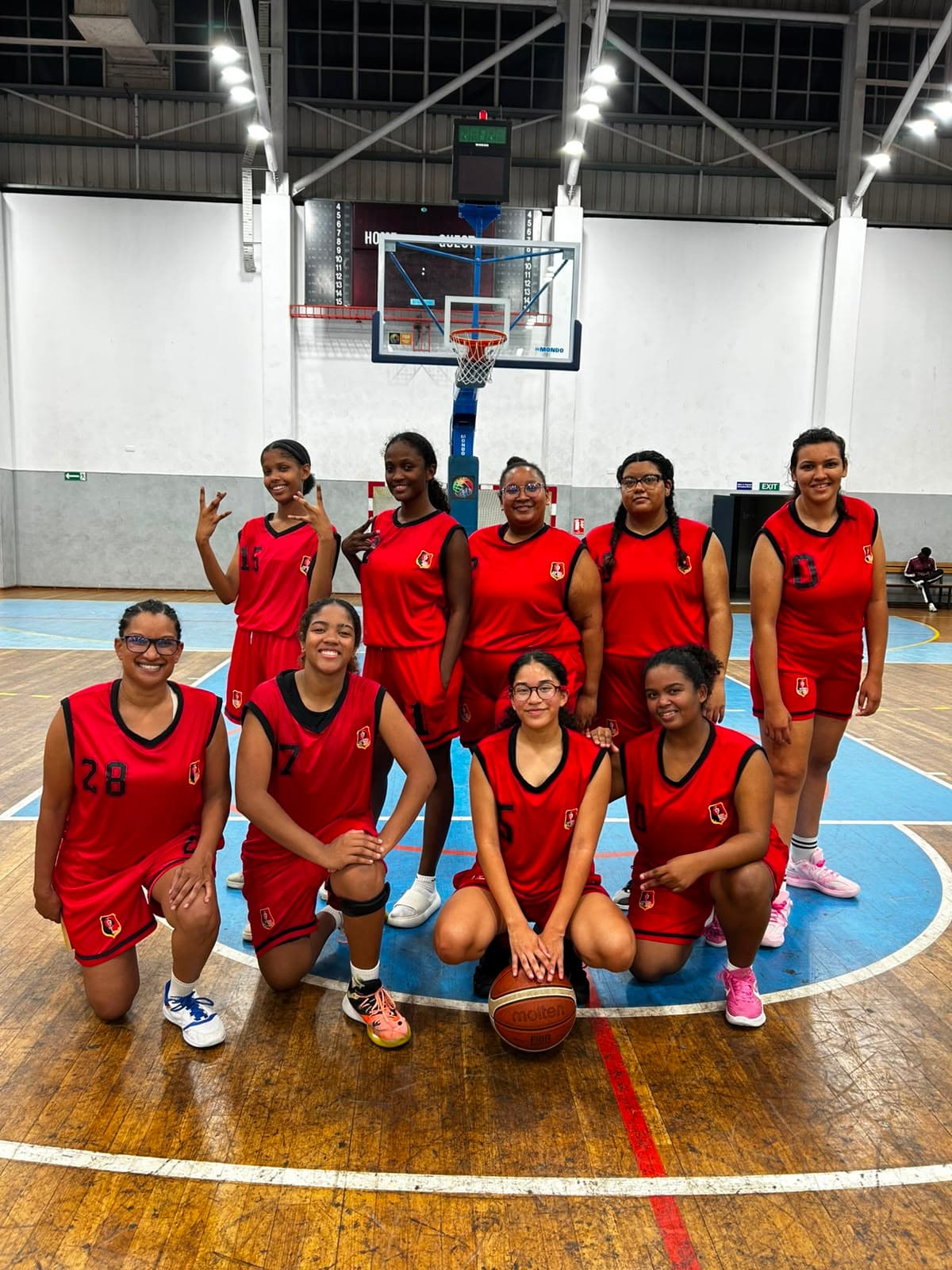
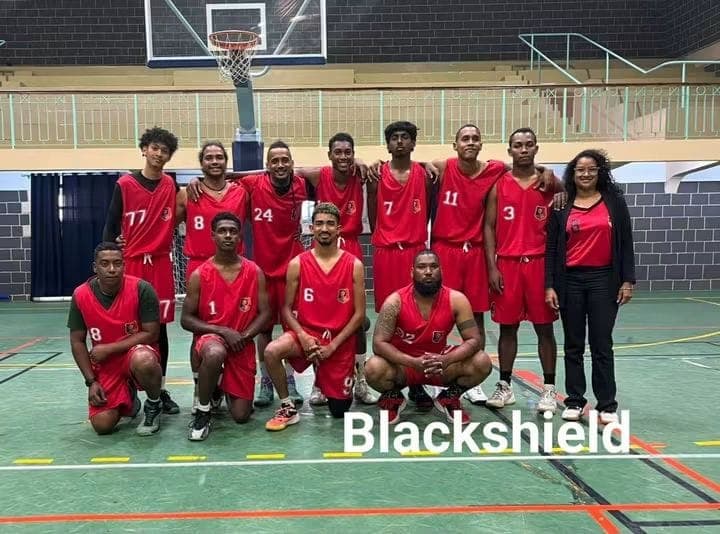
Basketball at Blackshield
Basketball is one of the fastest team sports in the world. Every second counts. Every player has a role. At Blackshield, our teams compete in local leagues and train hard to improve their game. But basketball here is more than competition. It teaches young players accountability, resilience and how to perform under pressure. When you learn to fight back from a deficit in the final quarter, you carry that fight into everything you do.
Our basketball program develops complete athletes: players who understand spacing, movement, and the importance of making the right pass at the right moment. We focus on fundamentals first, then build tactical awareness so every player can read the game and make smart decisions under pressure.
The Game of Basketball
Basketball was invented in 1891 by Dr. James Naismith in Springfield, Massachusetts. He wanted a game that could keep athletes in shape during winter, and he ended up creating one of the most popular sports on the planet. Today, basketball is played in more than 200 countries and has over 450 million registered players worldwide.
The game is played between two teams of five players each on a rectangular court. The objective is simple: score by shooting the ball through the opponent's hoop. But behind that simplicity lies a sport of extraordinary depth. Every possession matters. Every screen, cut and rotation has a purpose. The best teams move the ball until they find the best shot, not just any shot.
FIBA Rules 2026: What Is Changing
FIBA, the International Basketball Federation, has introduced major rule changes effective October 2025. These updates modernise the game and bring more consistency to officiating at every level. Here is what you need to know.
New Foul Categories
The foul system now distinguishes between disruptive fouls (minor contact that does not affect shot safety) and flagrant fouls (excessive or dangerous contact). This means quicker whistles for dangerous plays and fewer stoppages for incidental contact.
Act of Shooting Defined
A player is now considered to be in the act of shooting once the ball has left their hand, not when they begin the motion. This changes how shooting fouls are assessed and reduces grey-area calls.
New Ball Handling Rules
The guidelines for carrying, double dribble and travel violations have been updated. Referees now have clearer criteria for calling these violations, which should reduce inconsistent officiating across leagues.
Instant Replay Expansion
The instant replay system can now be used to review any foul assessed under the new flagrant category. This gives officials an additional tool to make the right call on dangerous plays.
Rules Every Player Should Know
Whether you are just starting out or have played for years, these are the fundamental rules that govern the game at every level.
Scoring
A basket inside the three-point arc counts for two points. A basket from beyond the arc counts for three. Free throws are worth one point each.
Game Duration
A standard FIBA game consists of four quarters of 10 minutes each. The clock stops for fouls, violations, timeouts and the final minutes of close games.
Shot Clock
Teams have 24 seconds to attempt a shot. If the ball hits the rim, the clock resets. A new 14-second clock applies after an offensive rebound.
Fouls and Free Throws
A team enters the bonus after four fouls per quarter. The fouled player shoots two free throws. On a made basket with a foul, the shooter gets one additional free throw.
Out of Bounds
A ball is out of bounds when it touches the ground outside the court lines or touches a player who is out of bounds. The other team gets possession.
Backcourt Violation
Once the ball crosses half court into the frontcourt, it cannot be brought back. This prevents stalling and keeps the game moving forward.
Skills and Techniques
Basketball demands a wide range of physical and mental skills. Here are the fundamentals that separate good players from great ones.
Offensive Skills
A proper shot starts with balance, a consistent release point, and follow-through. The best shooters repeat the same motion every time, whether they are open or contested.
Dribbling is not just about getting from A to B. Elite ball handlers use hesitation moves, crossovers and change of pace to create space and break down defenders.
Great passers see the floor before the ball arrives. Chest passes, bounce passes, overhead passes and skip passes each have a specific purpose and timing.
The best players without the ball are just as dangerous as those with it. Cutting, screening and relocating force the defence to make constant adjustments.
Defensive Skills
Low centre of gravity, active hands, and lateral quickness. A good defensive stance lets you stay in front of your opponent without fouling.
Defence is a team effort. Help defenders rotate to protect the basket when a teammate is beaten, then recover to their own man.
Boxing out and timing are everything. The player who controls the boards controls the game. Every missed shot is an opportunity.
Defence requires constant talking. Calling screens, switches and help assignments prevents breakdowns and keeps everyone on the same page.
Player Code of Conduct
At Blackshield, how you behave matters as much as how you play. Every player is expected to uphold standards that reflect positively on the team and the club.
What You Can Do
- Compete hard and play with passion within the rules of the game
- Communicate respectfully with teammates, coaches and referees
- Support your teammates whether you are winning or losing
- Give your best effort in every training session and match
- Represent Blackshield with pride in the community
What You Cannot Do
- Use abusive language, insults or threats towards anyone
- Deliberately foul or endanger an opponent
- Argue with or disrespect match officials
- Use social media to disparage the club, teammates or opponents
- Miss training or matches without a valid reason
Modern Basketball: NBA vs European Style
The way basketball is played at the highest level varies significantly between the NBA and European leagues. Understanding these differences helps players develop a more complete game.
NBA Basketball
The NBA prioritises individual talent, spacing and three-point shooting. Games are faster, with more isolation plays and Pick and Roll action. The court is wider, which creates more space for one-on-one matchups.
Key NBA Trends
- Three-point attempts have increased by 50% in the last decade, with teams averaging over 35 attempts per game
- Positionless basketball is the norm, with guards rebounding and centres shooting threes
- Analytics drive decision-making, with teams avoiding mid-range shots in favour of efficient looks at the rim or from three
European Basketball
European basketball emphasises team play, ball movement and tactical discipline. The court is slightly narrower, which makes space harder to create and rewards structured offences over isolation.
Key European Trends
- More set plays and structured possessions, with offences designed to create high-percentage shots through screening and cutting
- Defensive intensity and physicality are prioritised, with stricter officiating on contact
- Mid-range shooting remains a valuable weapon, with players expected to score from all areas of the court
Benefits of Playing Basketball
Basketball develops the body and the mind. Here is what you gain from stepping on the court.
Cardiovascular Fitness
Constant movement, sprinting and jumping build endurance and strengthen the heart. A single game can involve over two kilometres of running.
Coordination and Agility
Dribbling, shooting and defending require precise hand-eye coordination and quick feet. Basketball sharpens these skills naturally over time.
Teamwork
No single player can win a basketball game alone. You learn to trust, communicate and sacrifice personal glory for team success.
Mental Toughness
Basketball teaches you to handle pressure, bounce back from mistakes and stay focused when the clock is ticking down.
Social Connection
Being part of a basketball team means belonging to a group that shares your goals, your effort and your defeats. These friendships last a lifetime.
Lifelong Skill
Basketball can be played at any age, anywhere in the world. All you need is a ball and a hoop. The skills you learn here travel with you.
Training at Blackshield
Youth Programme
Ages 8 to 16. Focus on fundamentals, coordination and a love for the game. No experience necessary.
Senior Programme
Competitive training for players aged 16 and above. Tactics, fitness and match preparation.
Schedule
Training sessions are held three times a week. Contact us for the current timetable.
Contact
Contact Person
Valérie
54851222